New clinical research is giving people with spinal cord injuries the ability to move and feel again through brain-computer interface technology.
A recent feature highlights pioneering work at the University of Pittsburgh and UPMC Rehabilitation Institute, where researchers are advancing brain-computer interfaces (BCIs) that decode brain signals to control external devices—and now, restore sensation.
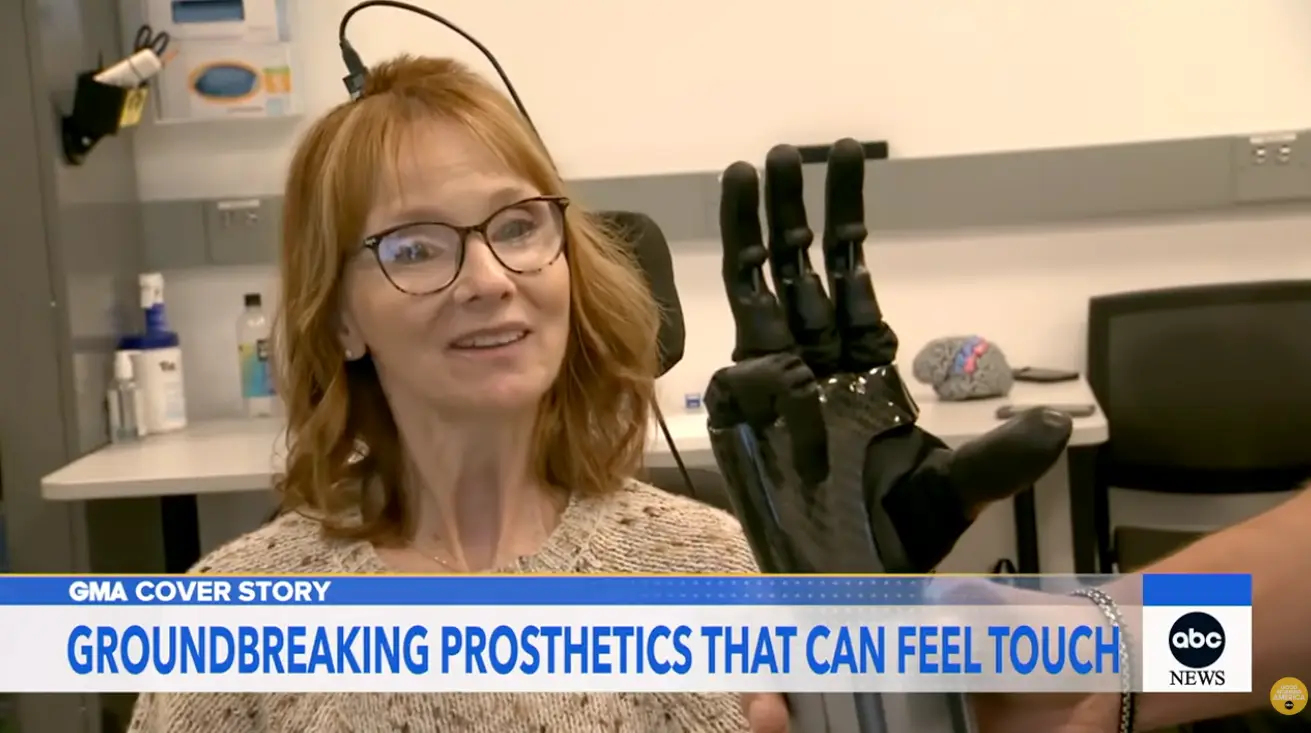
Participants Angie Donaldson and Nathan Copeland represent two generations of BCI progress. Donaldson, paralyzed from the chest down after a fall in 2019, joined the study hoping to regain independence and reconnect physically with her children. “I’m inspired again,” she said. “If they can get sensation going in our hands, it could someday reach our bladder, our legs. We’re just starting.”
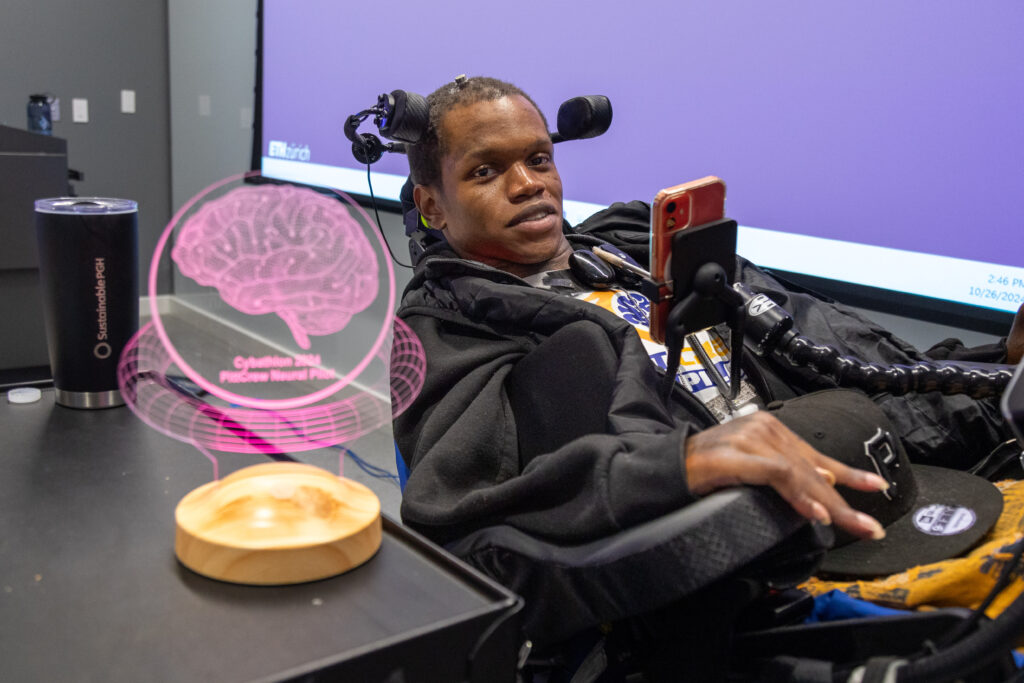
Copeland, injured in a 2004 car accident, is the lab’s longest-running participant. Using his implanted BCI, he can move a robotic arm and, remarkably, feel touch sensations in his fingers for the first time in over 20 years. “It feels like my middle finger,” he explained. His work demonstrates how restoring touch is as critical as restoring movement.
Researchers emphasize that sensation transforms motor control—true function depends on both. The team hopes these systems will one day help people with spinal cord injuries regain mobility and independence at home, not just in the lab.
Why this matters for our community
The University of Pittsburgh team continues to lead the field in restoring both movement and feeling through BCIs. Their work underscores the importance of long-term participant involvement, sensory feedback integration, and translating lab breakthroughs into daily life. For participants like Angie and Nathan, the research is not only about recovery—it’s about purpose, hope, and paving the way for future users.